

Walk into any store or scroll an online shop and you’ll notice something immediately.
Products are competing long before a customer reads a description. The first decision happens visually. That moment is packaging.
For CPG brands especially, packaging isn’t just protection anymore. It’s branding, marketing, and customer experience all at once. The brands growing fastest today understand this very well.
Why Packaging Now Decides Whether a Product Gets Noticed
Online shopping changed how customers interact with products. In a physical store people hold an item, feel the material, and compare shelves. In ecommerce, customers rely on photos and expectations. Packaging becomes the promise.
When the product arrives, the box either confirms that promise or breaks it.
Good packaging does three things:
- communicates quality instantly
- protects the product during shipping
- makes customers remember the brand
Bad packaging does the opposite. Even a great product feels cheap if it arrives in a thin, generic mailer or damaged box. Many small brands discover this the hard way after their first batch of orders.
The Unboxing Experience is Now Part of Marketing
A few years ago packaging ended its job once the product reached the customer. Now it begins a new one.
Customers post unboxing videos, share Instagram stories, and recommend brands because the experience felt special. A well designed package can generate free exposure that paid ads struggle to achieve.
Elements that matter:
- printed shipping boxes
- branded tissue paper
- inserts and thank-you cards
- custom labels and stickers
- protective inserts
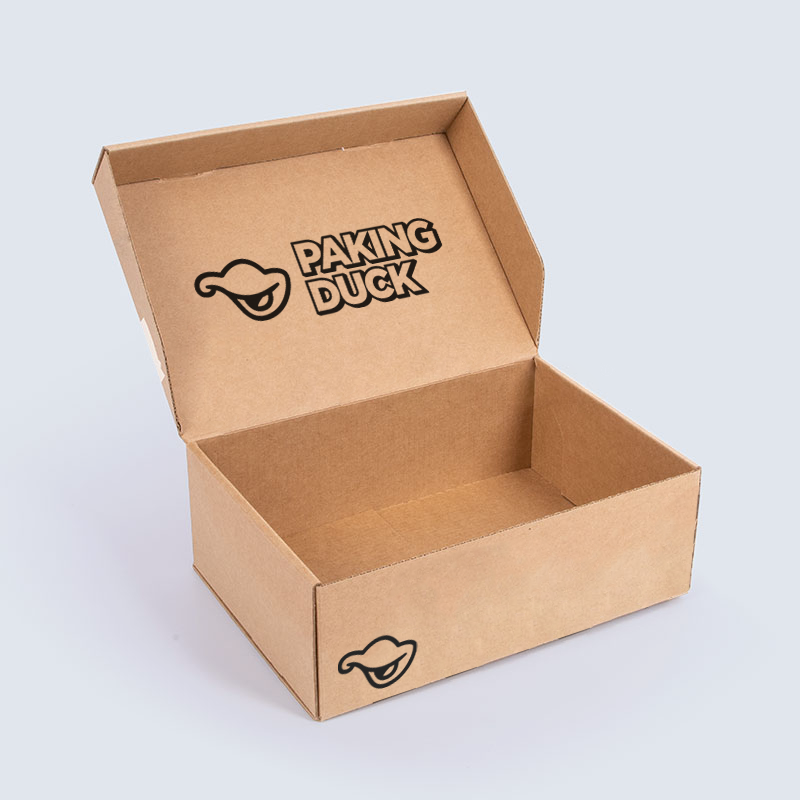
This is exactly where custom packaging helps brands stand out. Instead of a standard brown box, the packaging becomes a branded moment.
Different CPG Products Need Different Packaging
There is no single solution. A skincare bottle, snack food, and clothing item all require completely different approaches.
Boxes
Rigid and corrugated boxes work best for cosmetics, electronics, and fragile items. They protect the product and allow high quality printing, embossing, and coatings. Premium brands often choose magnetic rigid boxes because they immediately signal value.
Flexible pouches
Food, supplements, coffee, and pet products often use stand-up pouches. They are lightweight, reduce shipping cost, and offer strong shelf presence.
Mailers
For apparel and ecommerce shipments, poly mailers or padded mailers keep fulfillment simple and cost effective while still carrying brand identity through printed designs.
Inserts and internal packaging
Many returns and damages happen not because of the outer box but because the product moves inside. Custom inserts fix this while also making the inside look organized and intentional.
The Real Business Impact
Packaging affects more than appearance.
It influences:
- product review ratings
- return rates
- shipping cost
- repeat purchases
A damaged delivery often leads to a refund request even if the product works fine. On the other hand, a thoughtful package often turns a one-time buyer into a repeat customer.
Brands also discover a hidden benefit. When customers enjoy opening a package, they keep the box longer. That means the brand logo stays in their home longer too.
Cost is a Common Concern
Many startups avoid custom packaging because they think it is expensive. In reality, poor packaging usually costs more. Returns, replacements, and lost customers quietly add up.
Working directly with manufacturers and planning packaging early in product development usually reduces expenses over time. It also avoids redesigning packaging after scaling, which is far more costly.
Sustainability Matters More Than Ever
Customers increasingly care about environmental impact. Recyclable materials, minimal plastic, and right-sized packaging are now part of brand perception.
Eco friendly packaging does not mean sacrificing quality. In fact, many brands use sustainable paper packaging as a selling point, printing messaging directly on the box to communicate responsibility.
When Should a Brand Upgrade its Packaging?
Usually at one of three stages:
- After first successful sales
- Before launching ads or retail
- When preparing to scale fulfillment
Waiting too long creates inconsistent branding. Doing it early helps build recognition from the beginning.
Final Thoughts
Packaging is no longer a finishing step. It is part of product design. For CPG companies competing in crowded marketplaces, it often determines whether a customer trusts the brand at first glance.
The brands people remember rarely rely on generic boxes. They use packaging intentionally, turning every delivery into a brand experience. When done correctly, the package doesn’t just carry the product. It carries the brand story itself.
