Close Menu
NuevePackages
    Facebook X (Twitter) Instagram
    Trending
    • Library Reading Rooms Draw Students and Workers
    • Laser Links Between Satellites Move Orbital Data Faster
    • Follow-Up Questions Make Patients Feel Listened To in Appointments
    • Community Observatories Share Night Sky Data With Researchers
    • Sea Otters Return and Kelp Forests Follow Along Rocky Coasts
    • Evening Screening Clinics Open Access for Working Adults
    • DIY oven repair vs calling a professional: how to decide safely
    • PLA vs PET Cups: How Foodservice Businesses Can Choose the Right Clear Drink Packaging
    NuevePackages
    • Home
    • Tech
    • Tutorials
    • Marketing
    • Automation
    • Productivity
    NuevePackages
    Home»Blog»Community Observatories Share Night Sky Data With Researchers
    Blog

    Community Observatories Share Night Sky Data With Researchers

    Alex BaileyBy Alex BaileyOctober 29, 2026No Comments3 Mins Read
    Facebook Twitter Pinterest Telegram LinkedIn Tumblr WhatsApp Email
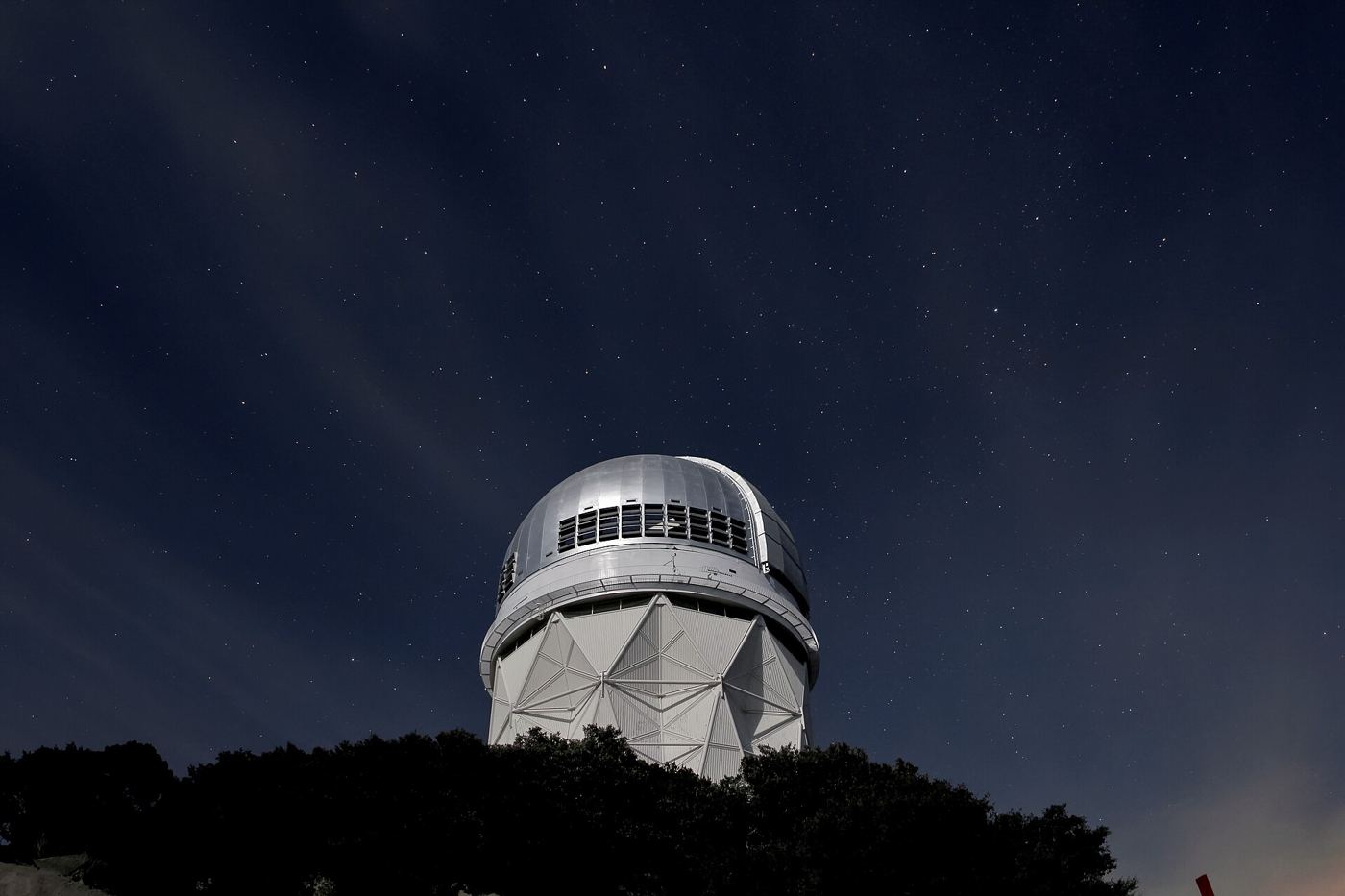
    telescope silhouetted under a star-filled night sky

    Small community observatories are playing a growing role in astronomy, sharing their night sky observations with professional researchers who need more eyes on changing objects. Coordinated networks help local groups record variable stars, passing comets and brief flashes that large telescopes cannot monitor continuously. For many community teams, contributing usable data has become as rewarding as observing for its own sake.

    What the Evidence Shows

    Researchers say shared data only helps when observing methods are consistent, so networks are agreeing common standards for timing, calibration and reporting formats. University partners often provide training and help check measurements before they enter wider archives. Both sides describe the arrangement as practical rather than symbolic: professionals gain coverage, while local observatories gain purpose, skills and recognition. Reporting and analysis from sources such as National Science Foundation track the same developments, and specialists following community observatory data sharing say the direction is now consistent across independent lines of evidence.

    The Wider Context

    The wider context is a research landscape in which replication and open data now decide reputations. Findings connected to community observatory data sharing are being checked by independent groups with shared datasets, and the teams involved publish their methods in full so rivals can test every step. That discipline is slower than a headline cycle, but it is why results in this area increasingly survive first contact with scrutiny.

    What Happens Next

    What happens next in the story of community observatory data sharing will be decided by follow-up work already under way: larger samples, longer observation and instruments that have not yet come online. The researchers involved are unusually united on one point, that the current results justify the next investment of time and money. Readers will not have to wait long for the first tests of that claim. You can follow related developments in our coverage of science.

    There is a practical lesson in all of this for readers deciding what to do today. Start with the verified facts, be wary of anyone promising certainty, and prefer reversible steps while the evidence is still developing. Circumstances differ by country, income and personal situation, so general guidance should always be weighed against your own context before you act on it in any significant or lasting way.

    It is also worth remembering how quickly the picture in this area has changed before. Positions that looked settled a few years ago have been revised as new data arrived, and the same humility is appropriate now. The strongest coverage of this subject, and the most useful advice, tends to come from sources that update their views openly when the facts move, rather than defending an earlier position long after it has stopped fitting the evidence available.

    None of this will be settled by a single announcement, study or product launch. The pattern to watch is accumulation: independent confirmations, honest reporting of failures and steady improvement in the underlying numbers. Readers who follow those signals, rather than the loudest claim of the week, will understand this subject better than most of the commentary surrounding it suggests is possible.

    astronomy citizen science observatories
    Alex Bailey

    Related Posts

    Library Reading Rooms Draw Students and Workers

    October 30, 2026

    Follow-Up Questions Make Patients Feel Listened To in Appointments

    October 29, 2026

    Sea Otters Return and Kelp Forests Follow Along Rocky Coasts

    October 28, 2026

    Evening Screening Clinics Open Access for Working Adults

    October 28, 2026

    Spinning Into Digital Adventure: The Evolution of Online Reel Gaming

    March 26, 2026

    Custom Packaging Solutions for CPG Brands That Want to Stand Out

    February 28, 2026
    Leave A Reply Cancel Reply

    Search
    Recent Posts

    Library Reading Rooms Draw Students and Workers

    October 30, 2026

    Laser Links Between Satellites Move Orbital Data Faster

    October 30, 2026

    Follow-Up Questions Make Patients Feel Listened To in Appointments

    October 29, 2026

    Community Observatories Share Night Sky Data With Researchers

    October 29, 2026

    Sea Otters Return and Kelp Forests Follow Along Rocky Coasts

    October 28, 2026

    Evening Screening Clinics Open Access for Working Adults

    October 28, 2026
    About Us

    NuevePackages delivers smart digital tools, automation solutions, and tech tutorials designed to simplify your workflow and boost productivity.

    We bridge innovation and simplicity — helping creators, developers, and businesses stay ahead with practical insights, powerful software, and modern tech resources. #NuevePackages

    Popular Posts

    Library Reading Rooms Draw Students and Workers

    October 30, 2026

    Laser Links Between Satellites Move Orbital Data Faster

    October 30, 2026

    Follow-Up Questions Make Patients Feel Listened To in Appointments

    October 29, 2026
    Contact Us

    If you have any questions or need further information, feel free to reach out to us at

    Email: [email protected]
    Phone: +62 823 19299387

    Address: 1042 Oral Lake Road
    Eagan, MN 55121

    Copyright © 2026 | All Rights Reserved | NuevePackages

    • About Us
    • Contact Us
    • Disclaimer
    • Privacy Policy
    • Terms and Conditions
    • Write For Us
    • Sitemap

    Type above and press Enter to search. Press Esc to cancel.

    WhatsApp us