

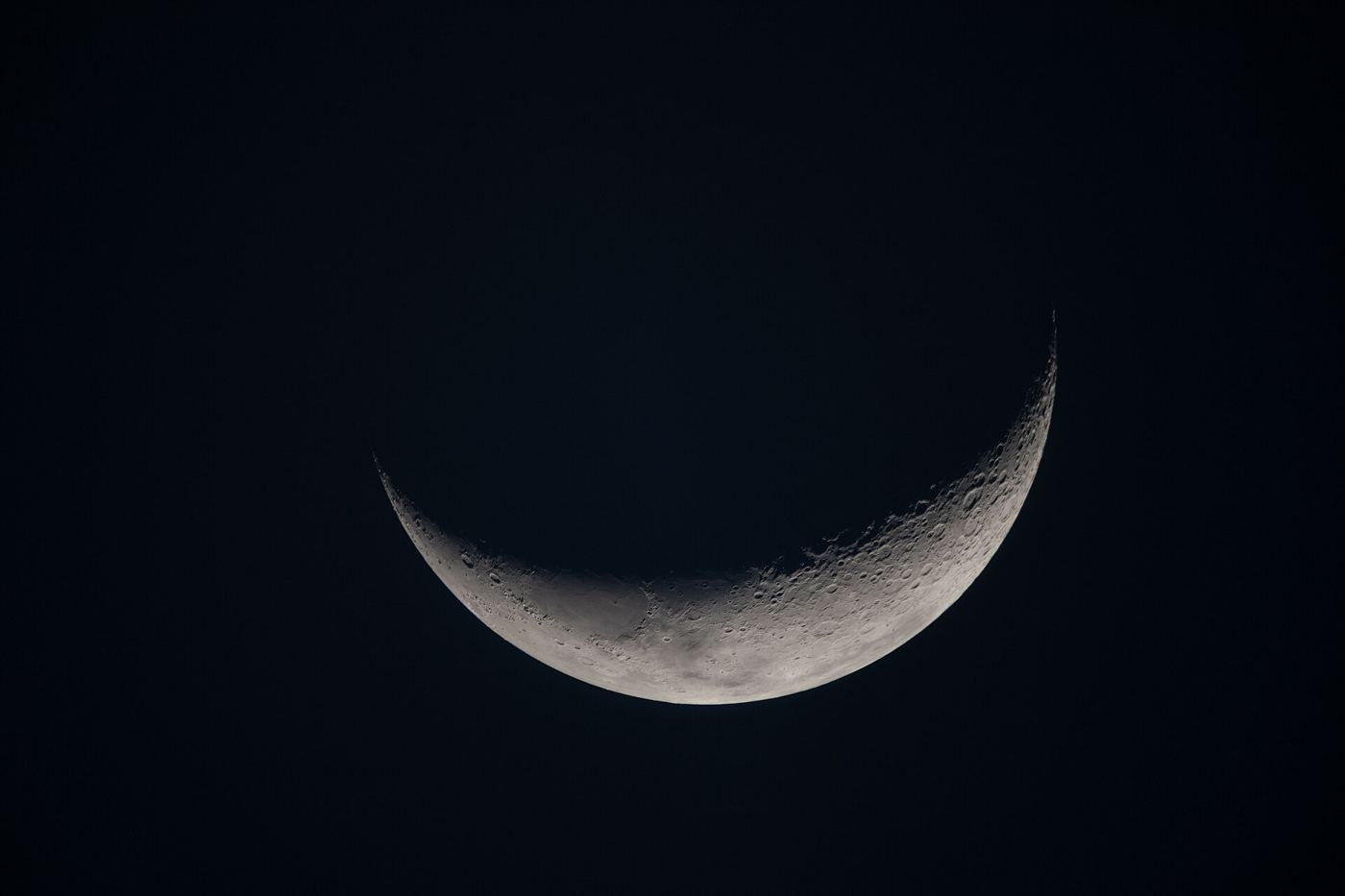
The Moon has no atmosphere and no weather as we know it, yet its surface is far from unchanging, and the culprit is a constant stream of charged particles flowing outward from the Sun. This solar wind strikes lunar soil directly, grain by grain, and over immense spans of time it alters both the colour and the chemistry of the top layer. Laboratory teams examining returned lunar samples under powerful microscopes can now see the damage in detail: tiny rims on individual grains, enriched with microscopic beads of iron formed as the particle impacts melt and vapourise mineral surfaces. Those iron beads are the main reason old lunar soil looks darker than fresh material thrown up by a recent crater impact, a contrast visible even in photographs taken from orbit. Scientists call the whole process space weathering, and understanding it matters well beyond the Moon. The same darkening affects asteroids and other airless bodies, which means telescopes can misjudge what those objects are made of unless researchers correct for the weathering effect when interpreting the light reflected from their surfaces.
What the Evidence Shows
To untangle the process, researchers have been firing beams of charged particles at simulated lunar soil in vacuum chambers, reproducing in days what the solar wind does over thousands of years. The experiments confirm that the darkening depends strongly on the original minerals present, so soils rich in certain iron-bearing rocks weather faster and more visibly than paler highland material. That helps explain the patchwork appearance of the lunar landscape, where ancient, heavily weathered plains sit beside brighter, younger crater rays. The work also has a practical side for future lunar bases, because weathered soil behaves differently from fresh soil when it is dug, moved or used as building material and shielding. Its fine, sharp grains cling to equipment and spacesuits, a problem reported by Apollo crews and still unsolved for long stays. Some mission planners therefore propose testing soil processing early, heating regolith to extract oxygen and water while also studying how its properties change. Reporting and analysis from sources such as National Science Foundation track the same developments, and specialists following the solar-wind-darkened lunar soil say the direction is now consistent across independent lines of evidence.
The Wider Context
The wider context is a research landscape in which replication and open data now decide reputations. Findings connected to the solar-wind-darkened lunar soil are being checked by independent groups with shared datasets, and the teams involved publish their methods in full so rivals can test every step. That discipline is slower than a headline cycle, but it is why results in this area increasingly survive first contact with scrutiny.
What Happens Next
What happens next in the story of the solar-wind-darkened lunar soil will be decided by follow-up work already under way: larger samples, longer observation and instruments that have not yet come online. The researchers involved are unusually united on one point, that the current results justify the next investment of time and money. Readers will not have to wait long for the first tests of that claim. You can follow related developments in our coverage of science.
There is a practical lesson in all of this for readers deciding what to do today. Start with the verified facts, be wary of anyone promising certainty, and prefer reversible steps while the evidence is still developing. Circumstances differ by country, income and personal situation, so general guidance should always be weighed against your own context before you act on it in any significant or lasting way.
