

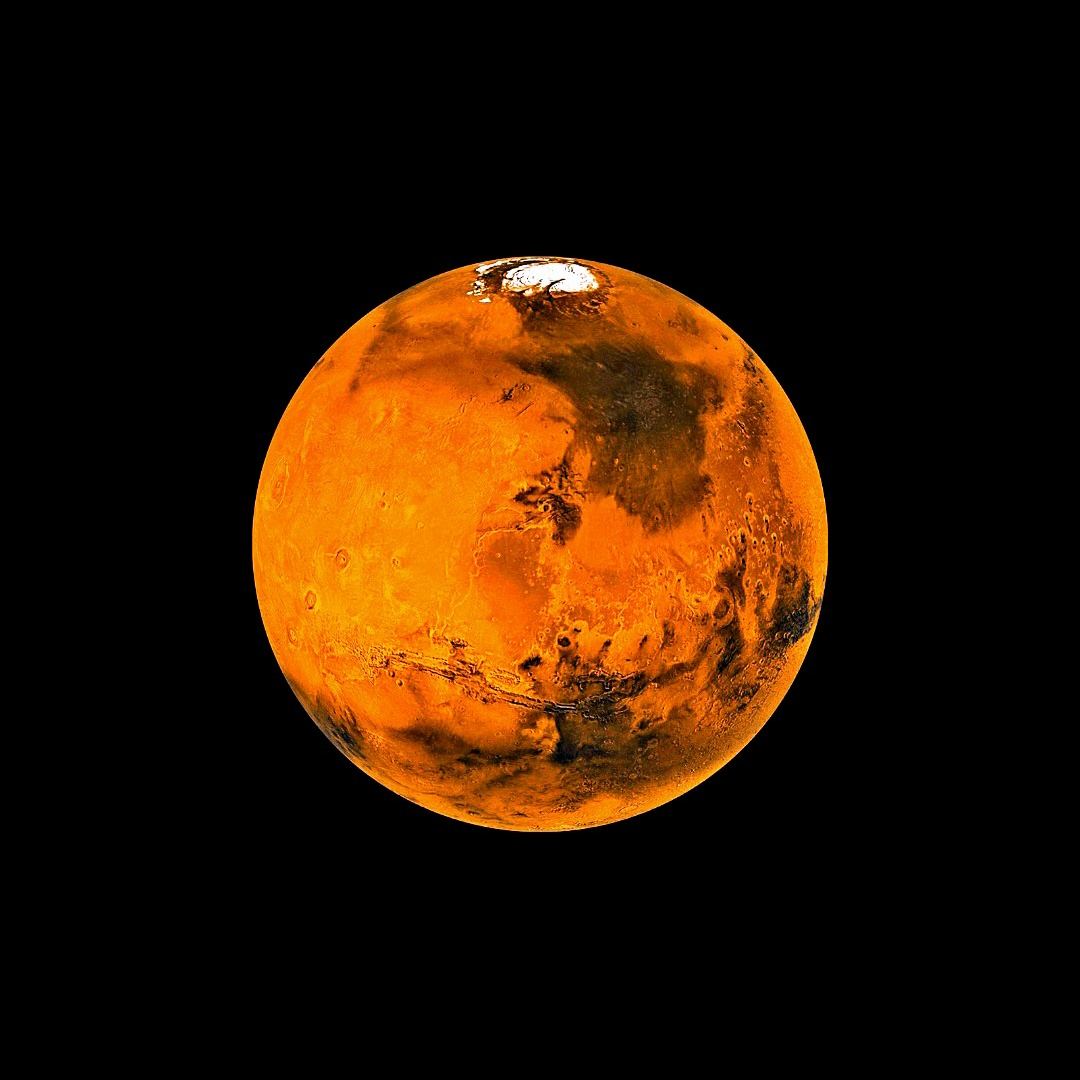
Dust is the defining weather hazard of Mars. Fine particles, lifted by winds in an atmosphere barely one percent as dense as Earth’s, can grow from local gusts into regional storms and, in some years, into planet-encircling events that dim the sun for weeks. Robotic missions have taught engineers to respect that dust. It coats solar panels, reducing power, it abrades seals and mechanisms, and during global storms it changes atmospheric density enough to complicate spacecraft arriving from Earth. For future human landings, the stakes rise considerably. Crews will depend on solar power or other surface systems that dust can degrade, on visibility for landing and surface travel, and on air filtration to keep abrasive, chemically reactive particles out of habitats. Mission planners therefore study storm seasons the way terrestrial sailors study hurricane seasons, identifying safer landing windows and regions where storms tend to form later or less often. Orbiters that monitor Martian weather daily provide the forecasts such planning needs, tracking dust as it rises and spreads. Understanding how storms start, where the dust comes from and what finally clears the air has become essential groundwork for sending people rather than another item of scientific curiosity.
What the Evidence Shows
Dust also interacts with technology in subtler ways that laboratories on Earth are working to solve. Electrostatic charge builds as particles swirl and rub, potentially interfering with electronics and clinging stubbornly to suits and equipment. Engineers test coatings, airlocks and cleaning systems, including vibration and electrostatic removal, to keep panels and radiators working through a long surface stay. Power planners increasingly favour a mix of sources, so that a dusty month does not threaten life support, and mission rules may require reserves sized for the worst historical storms. Scientists, meanwhile, use storm observations to refine models of the Martian climate, including how dust heating drives winds that lift still more dust in a self-reinforcing loop. Those models feed back into landing-site selection and into the design of weather stations that early crews would deploy. Mars will never offer benign weather, but each robotic season adds to a practical manual: when to arrive, where to land, how to build, and how much margin to keep when the sky itself turns against the mission. Reporting and analysis from sources such as National Science Foundation track the same developments, and specialists following mars dust storm mission planning say the direction is now consistent across independent lines of evidence.
The Wider Context
The wider context is a research landscape in which replication and open data now decide reputations. Findings connected to mars dust storm mission planning are being checked by independent groups with shared datasets, and the teams involved publish their methods in full so rivals can test every step. That discipline is slower than a headline cycle, but it is why results in this area increasingly survive first contact with scrutiny.
What Happens Next
What happens next in the story of mars dust storm mission planning will be decided by follow-up work already under way: larger samples, longer observation and instruments that have not yet come online. The researchers involved are unusually united on one point, that the current results justify the next investment of time and money. Readers will not have to wait long for the first tests of that claim. You can follow related developments in our coverage of science.
There is a practical lesson in all of this for readers deciding what to do today. Start with the verified facts, be wary of anyone promising certainty, and prefer reversible steps while the evidence is still developing. Circumstances differ by country, income and personal situation, so general guidance should always be weighed against your own context before you act on it in any significant or lasting way.
