

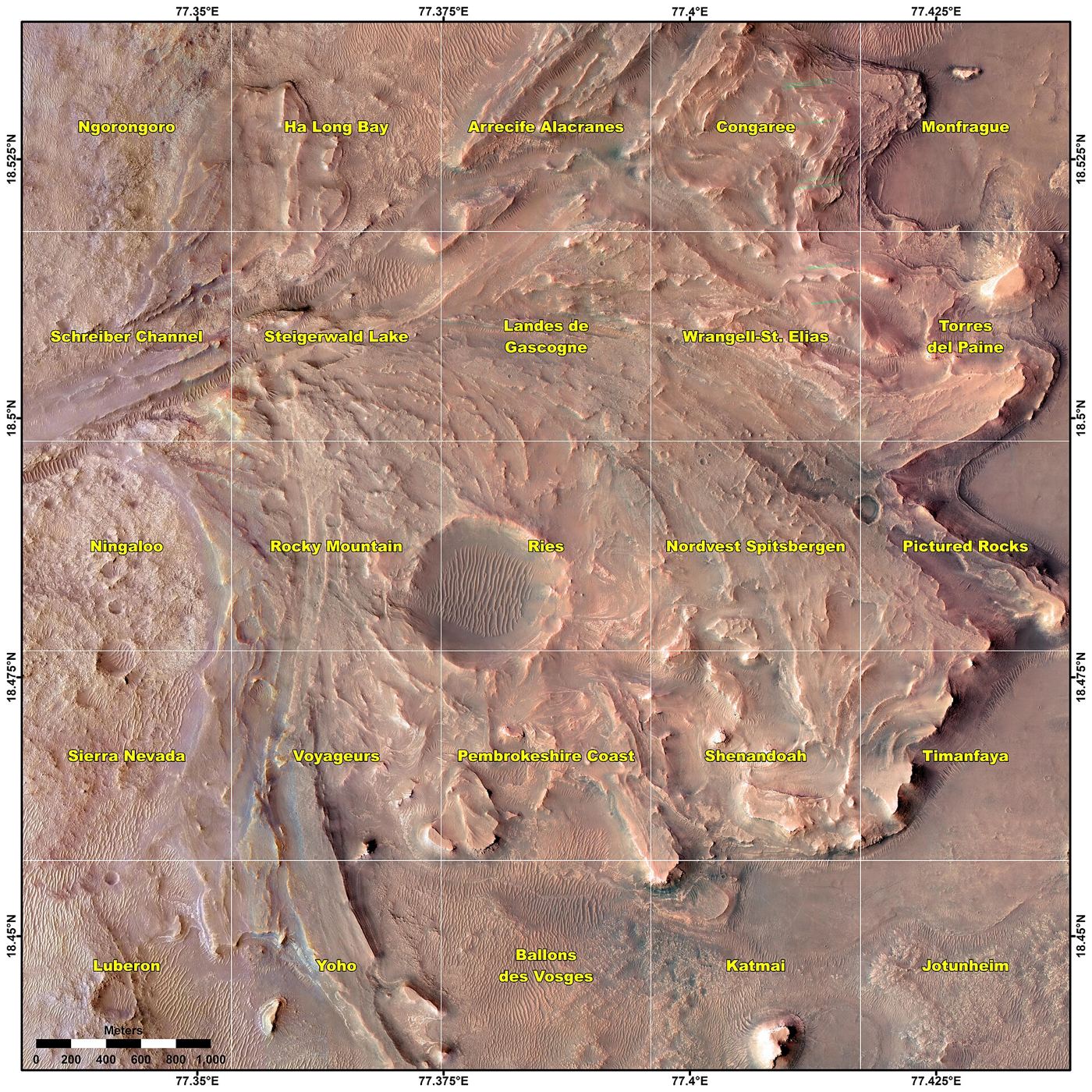
On the surface of Mars, wheeled rovers are slowly filling small metal tubes with rock and soil, then sealing them and setting them down on the dusty ground. Each sample is chosen with care, because the rocks may hold signs of ancient water, past climates or even the chemical traces of long-vanished life. The rovers drill into outcrops, photograph the layers and analyse the chemistry on the spot, building a picture of a planet that was once warmer and wetter than the cold desert it is today. But the instruments on a rover can only do so much. The real prize is to bring these samples back to Earth, where the best laboratories in the world could study them with tools too large and delicate to send to space. That return journey is one of the most ambitious plans in space exploration, requiring several spacecraft to work together across millions of kilometres.
What the Evidence Shows
The plan calls for a lander to touch down near the cached samples, a small rocket to launch them into orbit around Mars, and another spacecraft to catch the container and carry it home. Each step is difficult on its own, and doing them in sequence on another planet raises the challenge further. Engineers are testing the pieces on Earth, from the robotic arm that will pick up the tubes to the system that will seal them safely for the journey. The cost and complexity have forced space agencies to rethink the design, looking for simpler and cheaper ways to achieve the same goal. While the schedule remains uncertain, the samples wait patiently on the Martian surface, and the science they could unlock keeps the mission alive. The science at stake makes the effort worthwhile. Reporting and analysis from sources such as National Science Foundation track the same developments, and specialists following the Mars rovers collecting rocks for a future return trip say the direction is now consistent across independent lines of evidence.
The Wider Context
The wider context is a research landscape in which replication and open data now decide reputations. Findings connected to the Mars rovers collecting rocks for a future return trip are being checked by independent groups with shared datasets, and the teams involved publish their methods in full so rivals can test every step. That discipline is slower than a headline cycle, but it is why results in this area increasingly survive first contact with scrutiny.
What Happens Next
What happens next in the story of the Mars rovers collecting rocks for a future return trip will be decided by follow-up work already under way: larger samples, longer observation and instruments that have not yet come online. The researchers involved are unusually united on one point, that the current results justify the next investment of time and money. Readers will not have to wait long for the first tests of that claim. You can follow related developments in our coverage of science.
There is a practical lesson in all of this for readers deciding what to do today. Start with the verified facts, be wary of anyone promising certainty, and prefer reversible steps while the evidence is still developing. Circumstances differ by country, income and personal situation, so general guidance should always be weighed against your own context before you act on it in any significant or lasting way.
