Close Menu
NuevePackages
    Facebook X (Twitter) Instagram
    Trending
    • Smart Home Dashboards Help Households Spot Wasted Energy
    • Farm Hedgerows and Flower Strips Give Wild Bees Safer Routes Across Fields
    • New Telescope Survey Tracks Weather Patterns on Distant Giant Planets
    • Electric Cars Begin Sharing Power Back to Homes During Outages
    • Kelp Forests Store a Genetic Library That Could Help Them Survive Warming Seas
    • Balance Classes In Village Halls Help Prevent Falls In Winter
    • Understanding Cholesterol Results After a Routine Blood Test
    • Mars Dust Storms Shape Plans for Future Human Landings
    NuevePackages
    • Home
    • Tech
    • Tutorials
    • Marketing
    • Automation
    • Productivity
    NuevePackages
    Home»Blog»Farm Hedgerows and Flower Strips Give Wild Bees Safer Routes Across Fields
    Blog

    Farm Hedgerows and Flower Strips Give Wild Bees Safer Routes Across Fields

    Alex BaileyBy Alex BaileyNovember 10, 2026No Comments3 Mins Read
    Facebook Twitter Pinterest Telegram LinkedIn Tumblr WhatsApp Email
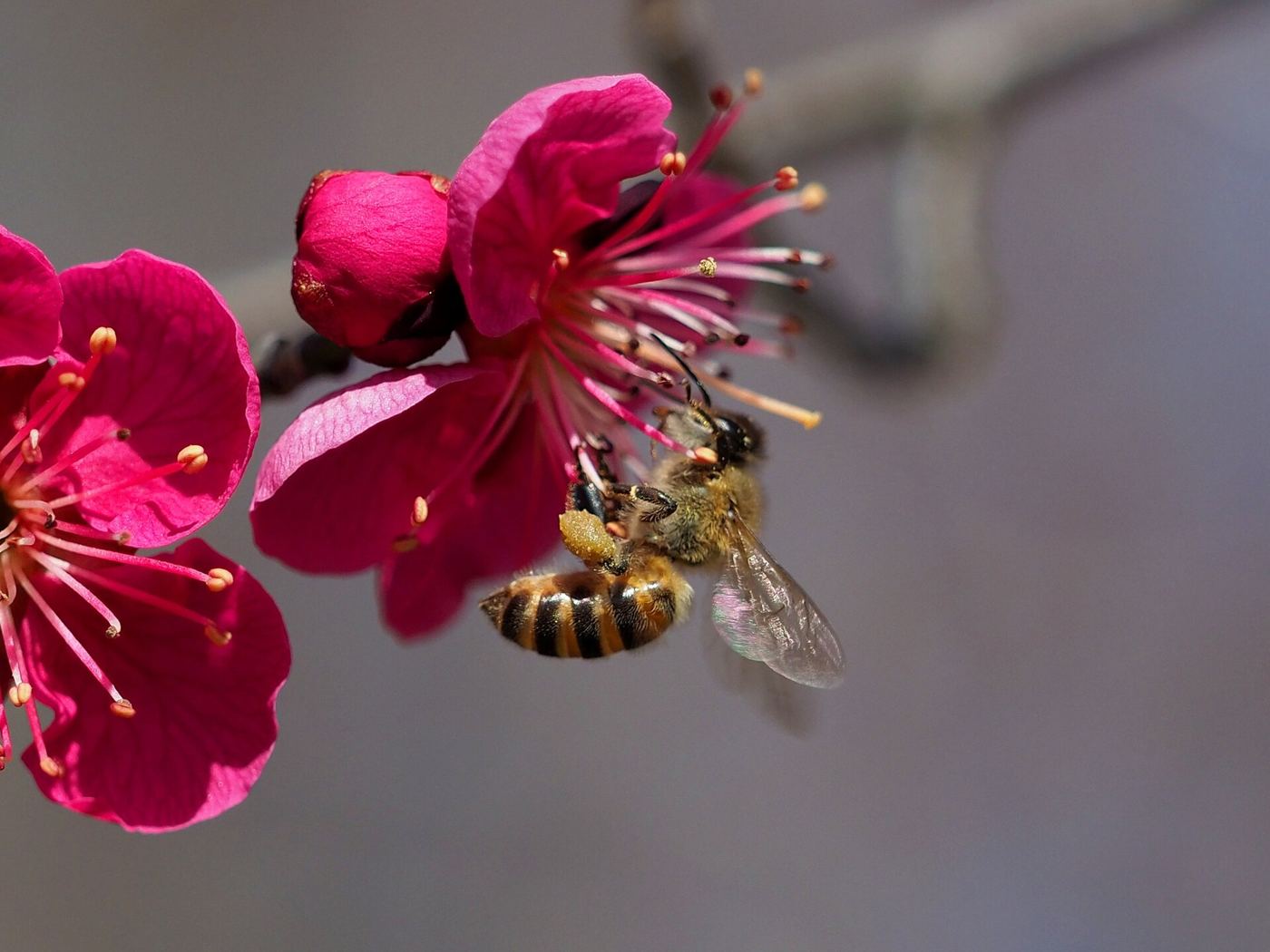
    A honeybee gathers pollen from a bright flower in close view.

    Wild bees, hoverflies and other pollinating insects often have to cross large, open fields where food and shelter can be scarce for much of the year. Ecologists studying farmland say connected strips of flowers, hedgerows and unmown margins can act like routes and resting places, helping insects move between nesting sites and the crops and wild plants they visit. The idea is not to turn productive farms into nature reserves, but to use edges and less productive corners more thoughtfully. When those features bloom in sequence from spring to autumn, pollinators gain a steadier supply of nectar and pollen, and farms may benefit through better pollination of beans, fruit and other insect-dependent crops nearby. Timing is just as important as planting, because a strip that flowers only in midsummer leaves early spring queens and late autumn insects with little to eat, so careful mixtures aim to bridge those hungry gaps across the whole active season.

    What the Evidence Shows

    Researchers are testing which plant mixtures work best in different soils, and how wide a strip needs to be before insects actually use it as a corridor. Results vary by landscape, which is why local trials matter more than grand claims. Farmers involved in such schemes often report practical trade-offs, including extra management and the need to protect strips during spraying and harvesting. Even with those challenges, the principle is widely shared across farming and conservation groups, which is that a field boundary can do more than mark ownership. Managed well, it can feed insects, shelter birds, reduce wind erosion and make the whole farm landscape more resilient. Monitoring with simple transect walks and nest boxes helps show whether insects are merely passing through or actually breeding locally, a distinction that decides whether a corridor is genuinely rebuilding populations or simply making an attractive but temporary feeding stop. Reporting and analysis from sources such as National Science Foundation track the same developments, and specialists following pollinator corridors on farmland say the direction is now consistent across independent lines of evidence.

    The Wider Context

    The wider context is a research landscape in which replication and open data now decide reputations. Findings connected to pollinator corridors on farmland are being checked by independent groups with shared datasets, and the teams involved publish their methods in full so rivals can test every step. That discipline is slower than a headline cycle, but it is why results in this area increasingly survive first contact with scrutiny.

    What Happens Next

    What happens next in the story of pollinator corridors on farmland will be decided by follow-up work already under way: larger samples, longer observation and instruments that have not yet come online. The researchers involved are unusually united on one point, that the current results justify the next investment of time and money. Readers will not have to wait long for the first tests of that claim. You can follow related developments in our coverage of science.

    There is a practical lesson in all of this for readers deciding what to do today. Start with the verified facts, be wary of anyone promising certainty, and prefer reversible steps while the evidence is still developing. Circumstances differ by country, income and personal situation, so general guidance should always be weighed against your own context before you act on it in any significant or lasting way.

    farmland ecology pollinators wild bees
    Alex Bailey

    Related Posts

    New Telescope Survey Tracks Weather Patterns on Distant Giant Planets

    November 9, 2026

    Kelp Forests Store a Genetic Library That Could Help Them Survive Warming Seas

    November 8, 2026

    Balance Classes In Village Halls Help Prevent Falls In Winter

    November 8, 2026

    Understanding Cholesterol Results After a Routine Blood Test

    November 7, 2026

    Mars Dust Storms Shape Plans for Future Human Landings

    November 7, 2026

    Volcanic Gas Sensors Give Eruption Warnings Extra Hours

    November 6, 2026
    Leave A Reply Cancel Reply

    Search
    Recent Posts

    Smart Home Dashboards Help Households Spot Wasted Energy

    November 10, 2026

    Farm Hedgerows and Flower Strips Give Wild Bees Safer Routes Across Fields

    November 10, 2026

    New Telescope Survey Tracks Weather Patterns on Distant Giant Planets

    November 9, 2026

    Electric Cars Begin Sharing Power Back to Homes During Outages

    November 9, 2026

    Kelp Forests Store a Genetic Library That Could Help Them Survive Warming Seas

    November 8, 2026

    Balance Classes In Village Halls Help Prevent Falls In Winter

    November 8, 2026
    About Us

    NuevePackages delivers smart digital tools, automation solutions, and tech tutorials designed to simplify your workflow and boost productivity.

    We bridge innovation and simplicity — helping creators, developers, and businesses stay ahead with practical insights, powerful software, and modern tech resources. #NuevePackages

    Popular Posts

    Smart Home Dashboards Help Households Spot Wasted Energy

    November 10, 2026

    Farm Hedgerows and Flower Strips Give Wild Bees Safer Routes Across Fields

    November 10, 2026

    New Telescope Survey Tracks Weather Patterns on Distant Giant Planets

    November 9, 2026
    Contact Us

    If you have any questions or need further information, feel free to reach out to us at

    Email: [email protected]
    Phone: +62 823 19299387

    Address: 1042 Oral Lake Road
    Eagan, MN 55121

    Copyright © 2026 | All Rights Reserved | NuevePackages

    • About Us
    • Contact Us
    • Disclaimer
    • Privacy Policy
    • Terms and Conditions
    • Write For Us
    • Sitemap

    Type above and press Enter to search. Press Esc to cancel.

    WhatsApp us