

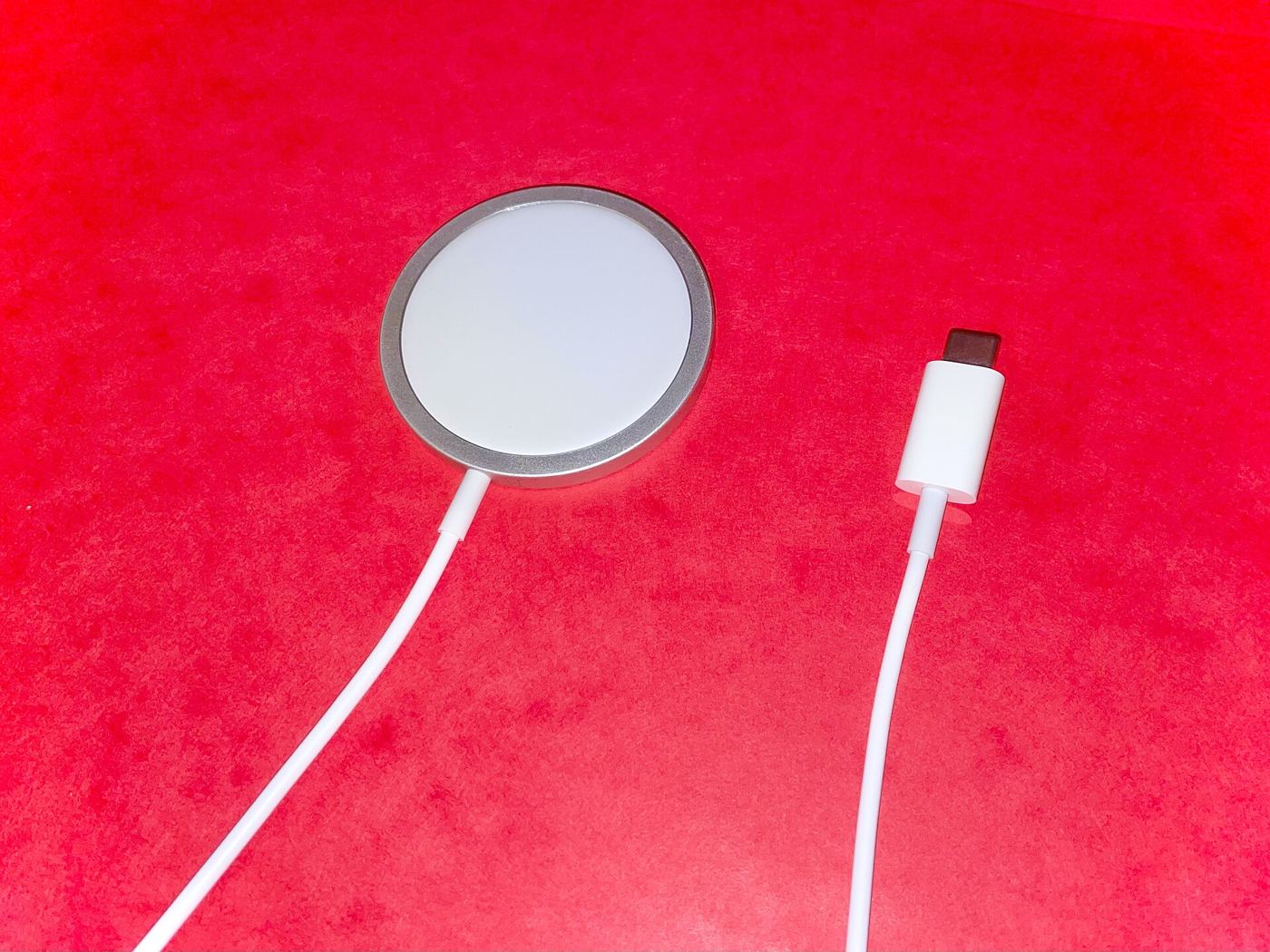
Charging a phone used to mean finding the right cable and plugging it in, but a growing number of phones now charge simply by being placed on a pad. Wireless charging works through a coil inside the pad that creates a magnetic field, which induces a current in a matching coil inside the phone and slowly fills its battery. The phone can be picked up and put down at any time, so a charger on a desk or a bedside table tops up the battery in small bursts through the day, and there is no cable to wear out or lose. Cafes, airports and car makers have built charging pads into tables, armrests and dashboards, and some pads can charge a phone, a watch and earbuds all at once.
What the Evidence Shows
Wireless charging is convenient, but it has trade-offs. It is slower than charging through a cable, and some of the energy is lost as heat, so a phone can feel warm after a long charge. The phone must sit in the right spot on the pad, and a thick case can block the connection, which is why many pads now use magnets to snap the phone into place. A new standard called Qi2 adds magnetic alignment to more devices, promising faster and more reliable charging across brands. For now, most owners use wireless charging as a top-up during the day and a cable when they need a full charge quickly. The cable is unlikely to disappear entirely, but the sight of a phone simply resting on a pad to charge has become an everyday part of modern life. Reporting and analysis from sources such as Wired track the same developments, and specialists following the wireless chargers topping up phones without cables say the direction is now consistent across independent lines of evidence.
The Wider Context
The wider context is an industry learning to ship capability and restraint together. Products built around the wireless chargers topping up phones without cables now launch with safety evaluations, usage data and rollback plans as standard, because enterprise buyers and regulators ask for them in the first meeting. Companies that treated those questions as friction are discovering they have become the purchase criteria.
What Happens Next
What happens next for the wireless chargers topping up phones without cables depends less on another breakthrough than on the unglamorous work of reliability, pricing and support. The buyers evaluating it now are not enthusiasts; they are operators with budgets and auditors, and their checklists will decide the timeline. On the evidence of the current pilots, the technology has earned the right to be judged by them. You can follow related developments in our coverage of technology.
None of this will be settled by a single announcement, study or product launch. The pattern to watch is accumulation: independent confirmations, honest reporting of failures and steady improvement in the underlying numbers. Readers who follow those signals, rather than the loudest claim of the week, will understand this subject better than most of the commentary surrounding it suggests is possible.
